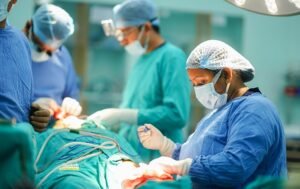
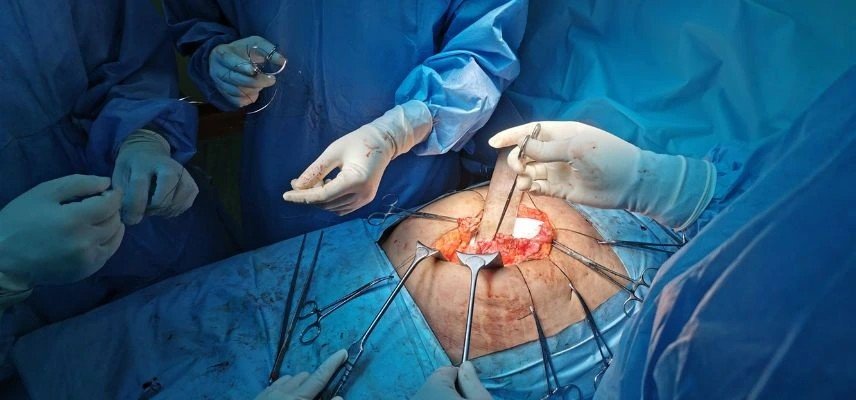
General surgery plays an important role in diagnosing and treating many medical conditions that affect the abdomen, digestive system, skin, and soft tissues. If you are looking for General Surgery in Ghaziabad, understanding the available procedures can help you make informed decisions about your healthcare. From appendix removal to hernia repair, general surgeons treat a wide range of conditions using traditional and minimally invasive techniques.
For fast information, chat directly with us on WhatsApp.
Not every medical condition requires surgery. However, when medication or other treatments are insufficient, a surgical procedure may offer an effective solution. The right approach depends on the patient’s symptoms, diagnosis, medical history, and overall health.
What Is General Surgery?
General surgery is a medical specialty that focuses on the surgical treatment of conditions affecting different parts of the body. General surgeons assess symptoms, recommend investigations, perform appropriate procedures, and guide patients through recovery.
Common areas include the abdomen, digestive tract, abdominal wall, skin, and soft tissues. Some general surgeons also perform selected breast, thyroid, and emergency surgical procedures, depending on their training and expertise.
At Madhup Hospital, patients seeking General Surgery in Ghaziabad should consult a qualified surgeon to understand their diagnosis and the treatment options suitable for their condition.
What Are the Different Types of General Surgery Procedures?
Several surgical procedures are used to treat common medical conditions. Below are some of the most frequently performed types of general surgery.
1. Appendix Removal Surgery
Appendectomy is a procedure used to remove the appendix when it becomes inflamed or infected. This condition, known as appendicitis, can cause abdominal pain, nausea, vomiting, and fever.
The pain often begins around the navel and may move towards the lower right side of the abdomen. However, symptoms can vary between patients.
An appendectomy may be performed through open surgery or laparoscopy. The surgeon recommends the appropriate method based on the patient’s condition.
Seek urgent medical attention if you experience worsening abdominal pain, particularly when accompanied by fever or vomiting. Prompt assessment is important because untreated appendicitis can lead to serious complications.
2. Hernia Repair Surgery
A hernia develops when an internal tissue or organ pushes through a weak area in the surrounding muscle or connective tissue. Hernias commonly occur in the groin, around the navel, or near a previous surgical incision.
Common symptoms include a visible bulge, discomfort while lifting objects, and pain during coughing or physical activity.
Hernia repair involves returning the protruding tissue to its proper position and strengthening the weakened area. Depending on the type of hernia, the surgeon may use open surgery or a laparoscopic technique. Mesh may be used when appropriate.
People considering General Surgery in Ghaziabad for a hernia should seek an assessment to determine whether observation or surgical repair is recommended.
3. Gallbladder Removal Surgery
The gallbladder stores bile, which helps the body digest fats. Gallstones can develop inside it and may cause pain, inflammation, or other complications.
Symptoms may include pain in the upper right abdomen, nausea, vomiting, and discomfort after meals. Some gallstones cause no symptoms and do not require immediate surgery.
Cholecystectomy, or gallbladder removal, is commonly recommended for symptomatic gallstones and certain gallbladder conditions. It is often performed laparoscopically through small incisions.
The surgeon evaluates the symptoms and investigation results before recommending treatment.
4. Piles and Anal Fistula Surgery
Piles, also called haemorrhoids, are swollen blood vessels in or around the anus. They may cause bleeding during bowel movements, itching, swelling, or discomfort.
Many cases improve with dietary changes, increased fibre intake, adequate fluids, and other non-surgical treatments. Procedures may be recommended when symptoms persist or complications develop.
An anal fistula is an abnormal tunnel between the anal canal and the surrounding skin. It often develops following an infection or abscess.
Treatment depends on the fistula’s location and complexity. A surgeon may recommend a suitable procedure after a careful examination.
5. Lipoma and Cyst Removal
Lipomas are usually benign growths made of fatty tissue beneath the skin. Cysts are enclosed sacs that may contain fluid or other material.
Some lumps remain harmless and do not require removal. However, a lump that grows, becomes painful, changes in appearance, or appears suddenly should be medically assessed.
Surgical removal may be recommended if a lump causes discomfort, affects daily activities, becomes infected, or requires further investigation. The removed tissue may be sent for laboratory examination when clinically indicated.
6. Intestinal and Abdominal Surgery
Certain digestive conditions may require surgery involving the stomach, small intestine, or large intestine. Examples include bowel obstruction, complicated diverticular disease, and selected cases of intestinal perforation.
Symptoms vary according to the underlying problem. Severe abdominal pain, persistent vomiting, abdominal swelling, or an inability to pass stool or gas may indicate a serious condition.
These symptoms require prompt medical assessment. Treatment may involve medication, supportive care, or surgery, depending on the diagnosis.
The surgeon considers the patient’s condition and the risks of delaying treatment before recommending a procedure.
Open Surgery vs Laparoscopic Surgery
General surgery procedures may be performed using different techniques. Two common approaches are open surgery and laparoscopic surgery.
Open surgery involves an incision that allows the surgeon to access the affected area directly. It may be necessary for complex conditions or when a minimally invasive approach is unsuitable.
Laparoscopic surgery uses a camera and specialised instruments inserted through small incisions. For suitable procedures, it may offer benefits such as smaller wounds, less postoperative pain, and a shorter hospital stay.
However, laparoscopic surgery is not appropriate for every patient. The choice depends on the condition, previous surgeries, overall health, and the surgeon’s clinical assessment.
How Should You Prepare for General Surgery?
Preparation helps patients understand the procedure and reduces avoidable risks. Your surgeon may recommend blood tests, imaging, or other investigations before surgery.
Follow these essential steps:
- Share your medical history, allergies, and current medications.
- Follow the doctor’s instructions about fasting before surgery.
- Ask whether any medicines need to be adjusted.
- Arrange transportation and support for your recovery if needed.
- Understand the expected benefits, risks, and alternatives.
- Follow all preoperative instructions provided by your medical team.
Never stop prescribed medication without consulting your doctor.
What Should You Expect During Recovery?
Recovery depends on the type of surgery, the surgical technique, and the patient’s overall health. Minor procedures may require limited downtime, while major abdominal operations may involve a longer recovery period.
Your surgeon may recommend wound care, pain management, gradual movement, dietary adjustments, and follow-up appointments.
Walking when medically appropriate can help recovery after many operations. However, heavy lifting and strenuous activities should be avoided until your doctor confirms they are safe.
Contact your medical team if you develop increasing pain, fever, wound redness, unusual discharge, or persistent vomiting. Severe symptoms require urgent assessment.
When Should You Consult a General Surgeon?
You should consider a surgical consultation if you have a persistent abdominal lump, a suspected hernia, recurring gallstone symptoms, a painful cyst, or a condition that may require an operation.
Sudden severe abdominal pain, uncontrolled bleeding, fainting, or a painful hernia bulge accompanied by vomiting requires emergency medical attention.
Seeking timely advice about General Surgery in Ghaziabad can help you understand the cause of your symptoms and explore appropriate treatment options.
Conclusion
General surgery includes a wide range of procedures, from appendix and gallbladder removal to hernia repair, cyst removal, and selected intestinal operations. Each procedure addresses a specific medical problem, so the treatment plan must be based on an accurate diagnosis and an individual assessment.
If you need General Surgery in Ghaziabad, Madhup Hospital can be a starting point for discussing your symptoms and understanding your treatment options. A qualified surgeon can explain the potential benefits, risks, alternatives, and expected recovery process.
Early assessment, proper preparation, and appropriate follow-up can help patients approach surgical treatment with greater confidence.
Frequently Asked Questions
1. What conditions are treated by a general surgeon?
General surgeons commonly treat appendicitis, hernias, gallbladder conditions, certain intestinal disorders, cysts, lipomas, and selected anorectal conditions. The exact range of services depends on the surgeon’s training and expertise.
2. Is laparoscopic surgery better than open surgery?
Laparoscopic surgery may offer smaller incisions, less postoperative pain, and faster recovery for suitable procedures. However, open surgery may be safer or more appropriate in certain situations. Your surgeon will recommend the best approach for your condition.
3. How long does recovery from general surgery take?
Recovery varies by procedure and individual health. Some minor operations require only a short recovery period, while major surgeries may require several weeks or longer. Follow your surgeon’s instructions.
4. Is general surgery always necessary for a hernia?
No. Some hernias may be monitored under medical supervision, depending on their type, symptoms, and risk of complications. Others require surgical repair. A surgeon can help determine the appropriate approach.
5. When should I seek emergency surgical care?
Seek urgent medical attention for sudden severe abdominal pain, persistent vomiting with abdominal swelling, uncontrolled bleeding, or a painful hernia bulge that cannot be pushed back. These symptoms may indicate a serious condition that requires immediate assessment.
To learn more or schedule an appointment, visit:https://share.google/u0ERZE5Sg50Q0mZUW.