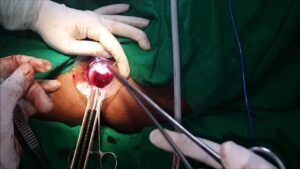
Recovering after piles surgery requires proper care, adequate rest, and a healthy diet. If you are considering or have undergone Piles Surgery in Ghaziabad, choosing the right foods can help soften stools, reduce straining, and support the healing process. Constipation can make bowel movements uncomfortable after surgery. Therefore, eating fibre-rich foods and drinking enough water are important parts of recovery.
For fast information, chat directly with us on WhatsApp.
At Madhup Hospital, patients can seek medical guidance on post-surgical care and recovery. Although food alone cannot guarantee faster healing, a balanced diet can help your body recover while reducing the risk of constipation and discomfort.
Why Is Diet Important After Piles Surgery?
Piles, also known as haemorrhoids, are swollen blood vessels in or around the anus. Surgery may be recommended when symptoms are severe or do not improve with other treatments.
After surgery, bowel movements may cause discomfort for some patients. Passing hard stools can increase pain and put pressure on the surgical area.
A suitable diet helps by:
- Making stools softer and easier to pass.
- Reducing constipation and straining.
- Providing nutrients needed for tissue repair.
- Supporting digestive health.
- Helping maintain hydration and energy levels.
If you have undergone Piles Surgery in Ghaziabad, follow your surgeon’s dietary instructions, especially during the first few days of recovery.
1. Eat Fibre-Rich Fruits for Better Digestion
Fruits are a useful source of dietary fibre, vitamins, and water. They can help support regular bowel movements and reduce the risk of constipation.
Good options include:
- Papaya
- Apples with their skin, if tolerated
- Pears
- Oranges
- Ripe bananas
- Prunes, if available
Choose fresh, whole fruits instead of relying only on fruit juices. Whole fruits generally contain more fibre.
Introduce fibre gradually if your usual diet is low in it. Increasing fibre too quickly may cause gas or bloating. If you experience digestive discomfort, adjust your intake with your doctor’s advice.
2. Include Green Vegetables in Your Daily Meals
Green vegetables provide fibre, vitamins, and minerals that support overall health. They can also help maintain regular bowel movements when included in a balanced diet.
Consider adding these vegetables to your meals:
- Spinach
- Bottle gourd
- Carrots
- Broccoli
- Green beans
- Peas
Cook vegetables until they are soft if you experience discomfort with raw foods. Lightly cooked vegetables may be easier to tolerate during the early recovery period.
For example, you can eat vegetable soup at lunch or include cooked vegetables with whole-wheat roti at dinner. These simple changes can make your meals more nutritious.
3. Choose Whole Grains to Prevent Constipation
Whole grains contain more fibre than refined grains. They can help improve stool consistency and support regular bowel movements.
Useful options include:
- Oats
- Whole-wheat roti
- Brown rice
- Whole-grain bread
- Dalia
- Barley
Try replacing some refined-grain foods with whole-grain alternatives. Make these changes gradually and drink enough water to help fibre work effectively.
Patients recovering after Piles Surgery in Ghaziabad should avoid sudden, restrictive diets. Instead, focus on balanced meals that provide sufficient fibre, protein, and calories.
4. Drink Enough Water Throughout the Day
Hydration plays an important role in preventing hard stools. When you consume more fibre, adequate fluid intake helps the fibre absorb water and support softer bowel movements.
For most adults, drinking water regularly throughout the day is helpful. However, individual fluid requirements vary. People with kidney, heart, or other conditions may need specific fluid restrictions.
You can also include clear soups and other suitable fluids if recommended by your doctor.
Avoid relying on sugary drinks to meet your hydration needs. If constipation continues despite adequate water and fibre, consult your surgeon rather than taking laxatives or other medicines without advice.
5. Eat Protein-Rich Foods for Tissue Healing
Protein supports tissue repair and helps your body recover after surgery. Including a source of protein in your daily meals can contribute to a balanced recovery diet.
Suitable options include:
- Eggs
- Dal and lentils
- Beans and chickpeas
- Milk and curd
- Paneer
- Fish or lean chicken, if you eat non-vegetarian food
Choose foods that suit your digestion and any dietary restrictions. If your appetite is low, smaller meals throughout the day may be easier to manage than large meals.
Adequate protein is especially important when your body is healing. However, you should follow personalised dietary advice if you have kidney disease or other conditions that affect protein requirements.
6. Include Curd and Other Suitable Dairy Products
Curd provides protein and calcium. Some varieties also contain live cultures that may support gut health.
If you tolerate dairy products well, plain curd can be a useful addition to lunch or dinner. Milk and paneer may also help provide protein.
However, dairy products do not suit everyone. In some people, excessive dairy intake can contribute to constipation or digestive discomfort, particularly when it replaces fibre-rich foods.
Maintain a balanced diet rather than depending on one food to improve bowel movements.
Which Foods Should You Avoid After Piles Surgery?
Your diet does not need to be unnecessarily restrictive. However, some foods and habits may worsen constipation or digestive discomfort.
Consider limiting the following:
1. Low-fibre processed foods: Excessive intake of chips, packaged snacks, and refined bakery products may displace fibre-rich foods.
2. Very spicy foods: These may irritate some patients or cause discomfort during bowel movements. Avoid them temporarily if they worsen your symptoms.
3. Excessive fried foods: These can be difficult to tolerate and may leave less room for nutritious meals.
4. Too much caffeine: Excessive caffeine may contribute to dehydration in some circumstances, especially if it replaces water.
5. Alcohol: Avoid alcohol during recovery, particularly while taking medicines that may interact with it or cause drowsiness.
You do not need to eliminate every favourite food permanently. Focus on a balanced diet and follow your surgeon’s specific instructions.
Important Recovery Tips After Piles Surgery
Diet is only one part of recovery. Following your post-operative instructions can also help reduce discomfort and prevent complications.
- Take prescribed medicines as directed.
- Avoid straining or sitting on the toilet for long periods.
- Do not ignore the urge to pass stools.
- Resume walking and other activities as advised by your surgeon.
- Keep the surgical area clean according to your care instructions.
- Attend scheduled follow-up appointments.
If you have undergone Piles Surgery in Ghaziabad, ask your doctor when you can safely return to work, exercise, and your usual routine.
Seek urgent medical attention if you experience heavy bleeding, fever, difficulty urinating, severe or worsening pain, or other concerning symptoms. Contact your surgeon if constipation persists or bowel movements become increasingly difficult.
Conclusion
A balanced diet can make recovery after piles surgery more comfortable. Fibre-rich fruits, cooked vegetables, whole grains, adequate fluids, and protein-rich foods help support regular bowel movements and tissue repair. At the same time, limiting foods that worsen constipation or irritation may help reduce discomfort.
If you are planning Piles Surgery in Ghaziabad or recovering after the procedure, follow your surgeon’s dietary recommendations and attend all follow-up appointments. Every patient’s recovery is different, so personalised medical advice remains essential.
Madhup Hospital encourages patients to take a balanced approach to post-surgical care, combining appropriate nutrition, prescribed treatment, and healthy daily habits to support recovery.
Frequently Asked Questions
1. What is the best food to eat after piles surgery?
Fibre-rich fruits, cooked vegetables, oats, whole grains, and lentils can help support softer stools. Include protein-rich foods such as eggs, dal, curd, or paneer to support tissue repair.
2. How much water should I drink after piles surgery?
Drink water regularly throughout the day, unless your doctor has advised you to restrict fluids. Your needs depend on your health, activity level, and medical conditions.
3. Can I eat rice after piles surgery?
Yes, rice can be part of your recovery diet. Consider including brown rice or combining white rice with vegetables and lentils to increase the fibre and nutritional value of your meal.
4. How can I prevent constipation after piles surgery?
Eat fibre-rich foods, drink adequate fluids, follow your doctor’s activity recommendations, and avoid straining during bowel movements. Your surgeon may prescribe a stool softener or laxative when appropriate.
5. When should I contact my doctor after piles surgery?
Contact your doctor if constipation persists, pain worsens, or you notice unusual symptoms. Heavy bleeding, fever, difficulty urinating, or severe pain require prompt medical assessment.
To learn more or schedule an appointment, visit:https://share.google/u0ERZE5Sg50Q0mZUW.