Laparoscopic surgery is a minimally invasive surgical technique that helps doctors treat several medical conditions through small incisions. Many patients considering Laparoscopic Surgery in Indirapuram want to know whether the procedure is safe and what complications may occur. Although laparoscopic surgery generally involves smaller incisions and a shorter recovery period than traditional open surgery, it still carries certain risks.
For fast information, chat directly with us on WhatsApp.
Understanding these risks can help patients make informed decisions. A surgeon evaluates the patient’s medical history, current health, and the type of operation before recommending this approach. Proper preparation, skilled surgical care, and appropriate follow-up can also help reduce complications.
What Is Laparoscopic Surgery?
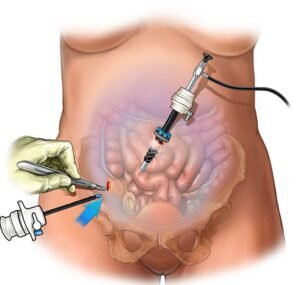
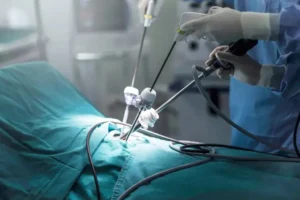
Laparoscopic surgery is also called keyhole surgery. During the procedure, a surgeon makes small incisions in the abdomen and inserts a thin instrument with a camera called a laparoscope. The camera displays images on a monitor, allowing the surgeon to operate using specialised instruments.
This technique may be used for procedures involving the gallbladder, appendix, hernias, and certain gynaecological conditions. However, its suitability depends on the patient’s diagnosis and individual health needs.
Patients seeking laparoscopic surgery in Indirapuram should discuss the available treatment options with a qualified surgeon. The doctor can explain the expected benefits, possible complications, and whether open surgery may be more appropriate.
What Are the Possible Risks of Laparoscopic Surgery?
Although laparoscopic procedures are commonly performed, complications can sometimes occur. The likelihood depends on the operation, the patient’s health, and other individual factors.
1. Infection at the Incision Site
Infection may develop around the small surgical cuts. Common signs include redness, swelling, increasing pain, warmth, or discharge from the wound. Fever may also occur.
Keeping the incision clean and following the surgeon’s wound-care instructions can reduce the risk. Patients should seek medical advice if they notice signs of infection.
2. Bleeding During or After Surgery
Bleeding can occur during the operation if a blood vessel is injured. In some cases, internal bleeding may develop after surgery.
Minor bleeding may be manageable with routine treatment. However, significant bleeding may require additional procedures or a blood transfusion. Severe abdominal pain, dizziness, fainting, or unusual weakness after surgery should be assessed urgently.
3. Injury to Nearby Organs
One possible complication is accidental injury to nearby organs, blood vessels, or surrounding tissues. Depending on the procedure, these may include the bowel, bladder, or other abdominal structures.
Such injuries are uncommon but can be serious. They may require additional treatment or a further operation. Experienced surgical teams use careful techniques to minimise these risks.
4. Reactions to Anaesthesia
Laparoscopic surgery is usually performed under general anaesthesia. Some patients experience nausea, vomiting, a sore throat, or temporary drowsiness afterwards.
Serious reactions are less common but may include breathing difficulties or cardiovascular complications. Patients should inform the anaesthesia team about existing medical conditions, allergies, and all medicines they take.
5. Blood Clots
Surgery and reduced movement can increase the risk of blood clots, particularly in the legs. In rare cases, a clot can travel to the lungs and become life-threatening.
Doctors may recommend early movement, leg exercises, compression devices, or blood-thinning medicines depending on the patient’s risk. Sudden breathlessness, chest pain, or one-sided leg swelling requires urgent medical evaluation.
6. Complications Related to Surgical Gas
During many laparoscopic procedures, carbon dioxide gas is used to create space inside the abdomen. This allows the surgeon to see and operate more clearly.
After surgery, some patients experience temporary bloating, abdominal discomfort, or shoulder-tip pain. These symptoms often improve as the body absorbs the remaining gas. However, severe or worsening pain should not be ignored.
7. Hernia at the Incision Site
A hernia can develop when tissue pushes through a weakened area near a surgical incision. Although laparoscopic incisions are small, this complication can still occur.
The risk may be influenced by wound healing, infection, obesity, or activities that strain the abdominal wall during recovery. Following the surgeon’s instructions about lifting and physical activity can help support healing.
Can Laparoscopic Surgery Require Open Surgery?
Yes. In some situations, a surgeon may need to change a laparoscopic procedure to open surgery. This decision may be necessary if there is significant bleeding, unexpected anatomy, extensive scar tissue, or difficulty completing the operation safely.
Conversion to open surgery does not automatically mean that something has gone wrong. It can be a precaution taken to protect the patient and achieve the best possible outcome.
Before undergoing laparoscopic surgery in Indirapuram, patients should ask their surgeon about this possibility and how it may affect recovery.
Who May Have a Higher Risk of Complications?
Some patients require additional assessment before surgery. Factors that may increase the risk of complications include:
- Existing heart or lung conditions.
- Poorly controlled diabetes.
- Obesity or certain nutritional deficiencies.
- Blood-clotting disorders or medicines that affect bleeding.
- Previous abdominal operations and internal scar tissue.
- Active infection or other significant medical conditions.
Having one of these factors does not necessarily mean that laparoscopic surgery is unsuitable. The surgical and anaesthesia teams assess the overall risks before deciding on the safest approach.
How Can Patients Reduce the Risk of Complications?
Good preparation and proper aftercare can make a meaningful difference to surgical safety.
Before surgery:
- Share your complete medical history and current medication list.
- Follow instructions about fasting and medicines.
- Stop smoking before surgery if advised by your doctor.
- Complete any recommended tests and medical assessments.
- Ask questions about the procedure, alternatives, and recovery.
After surgery:
- Follow wound-care and medication instructions.
- Start walking and moving as recommended.
- Avoid heavy lifting until your surgeon gives permission.
- Attend scheduled follow-up appointments.
- Report unusual symptoms instead of attempting to manage them alone.
Patients considering laparoscopic surgery in Indirapuram should follow an individual recovery plan because activity restrictions and healing times vary by procedure.
Warning Signs to Watch for After Surgery
Some discomfort, tiredness, and mild bloating may be expected after laparoscopic surgery. However, certain symptoms need prompt medical attention.
Contact your doctor if you experience persistent vomiting, increasing abdominal pain, fever, worsening wound redness, or discharge from an incision.
Seek emergency medical care for severe breathing difficulties, chest pain, fainting, heavy bleeding, or severe and rapidly worsening abdominal pain. Early assessment can help identify complications and prevent further problems.
Conclusion
Laparoscopic surgery offers important benefits for many patients, including smaller incisions and potentially faster recovery. However, like every surgical procedure, it carries risks such as infection, bleeding, organ injury, anaesthesia-related problems, and blood clots.
Choosing an appropriate treatment approach involves understanding both the benefits and limitations of the procedure. Patients exploring Laparoscopic Surgery in Indirapuram should consult a qualified surgeon, share their medical history, and follow all preoperative and postoperative instructions. At Madhup Hospital, patients can seek professional guidance to understand their treatment options and the precautions needed for safe recovery.
Frequently Asked Questions (FAQs)
1. Is laparoscopic surgery safe?
Laparoscopic surgery is generally considered safe for suitable patients when performed by a qualified surgical team. However, no operation is completely risk-free, and the level of risk depends on the procedure and the patient’s health.
2. What are the most common side effects after laparoscopic surgery?
Common temporary effects include mild abdominal pain, bloating, shoulder-tip discomfort, nausea, and tiredness. These symptoms usually improve during recovery. Severe or worsening symptoms require medical assessment.
3. How long does it take to recover from laparoscopic surgery?
Recovery time varies according to the type of operation, the patient’s health, and whether complications occur. Some patients resume routine activities within days, while others need several weeks. Follow your surgeon’s advice.
4. When should I contact a doctor after laparoscopic surgery?
Contact your doctor if you develop fever, persistent vomiting, increasing pain, wound discharge, or worsening redness. Seek emergency care for chest pain, breathing difficulties, fainting, or severe abdominal pain.
5. How can I find the right hospital for laparoscopic surgery in Indirapuram?
Look for a hospital with qualified surgeons, appropriate surgical facilities, anaesthesia support, and postoperative care. Discuss your diagnosis, treatment alternatives, potential risks, and expected recovery with the surgeon before making a decision.
To learn more or schedule an appointment, visit:https://share.google/u0ERZE5Sg50Q0mZUW.