
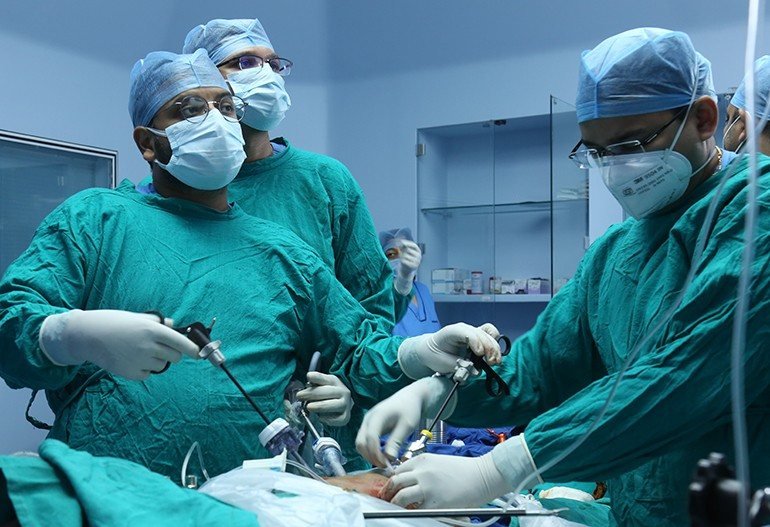
Piles can cause discomfort, pain, itching, and bleeding during bowel movements. These symptoms can affect daily activities and make people uncomfortable discussing their condition. Consulting a qualified Piles Surgeon in Indirapuram can help patients understand their symptoms and explore suitable treatment options. Madhup Hospital provides specialised proctology services and surgical care for patients experiencing piles and other anorectal conditions.
With proper diagnosis, personalised treatment, and appropriate medical guidance, patients can manage piles more effectively and improve their quality of life.
For fast information, chat directly with us on WhatsApp.
What Are Piles and Why Do They Develop?
Piles, medically known as hemorrhoids, are swollen blood vessels located inside or around the anus and rectum. They may develop when pressure increases in the lower rectal area.
Several factors can contribute to piles, including:
- Chronic constipation
- Straining during bowel movements
- Sitting on the toilet for extended periods
- Low dietary fibre intake
- Pregnancy and childbirth
- Prolonged sitting
- Chronic diarrhoea
Piles may be internal or external. Internal piles develop inside the rectum, while external piles form beneath the skin around the anus.
Understanding the type and severity of piles is important before starting treatment.
What Are the Common Symptoms of Piles?
Piles can cause different symptoms depending on their location and severity. Some patients experience mild discomfort, while others may develop persistent symptoms.
Common symptoms include:
- Bright red blood during bowel movements
- Pain or discomfort around the anus
- Itching or irritation
- Swelling around the anal region
- A lump near the anus
- Discomfort while sitting
- Protrusion of piles during bowel movements
Rectal bleeding should never be ignored. Although piles are a common cause, other conditions can also produce similar symptoms. A medical examination helps identify the actual cause.
How Can Madhup Hospital Help Patients With Piles?
Madhup Hospital provides specialised proctology services for patients experiencing piles, fissures, fistulas, and other anorectal conditions. Patients searching for a Piles Surgeon in Indirapuram can consult the hospital’s surgical team for an evaluation and treatment plan.
The treatment approach depends on the patient’s symptoms, medical history, and severity of the condition.
1. Proper Diagnosis and Medical Evaluation
The first step in piles treatment is identifying the underlying problem.
A surgeon may review the patient’s symptoms, bowel habits, medical history, and previous treatments. Depending on the situation, a physical examination or additional investigation may be recommended.
This evaluation helps distinguish piles from other anorectal conditions, including anal fissures and fistulas.
2. Personalised Piles Treatment
Not every patient with piles requires surgery.
Mild cases may improve with dietary changes, increased fibre intake, adequate hydration, and appropriate medicines prescribed by a doctor.
However, persistent symptoms or advanced piles may require a procedure.
At Madhup Hospital, treatment recommendations are based on the patient’s condition and clinical assessment. This helps patients understand their options before making treatment decisions.
3. Advanced Proctology and Surgical Care
Madhup Hospital offers advanced proctology services for patients requiring specialised anorectal treatment.
Depending on the diagnosis, treatment options may include conventional surgical procedures or selected minimally invasive techniques.
A Piles Surgeon in Indirapuram can assess whether a procedure is necessary and explain its benefits, limitations, recovery requirements, and possible risks.
The choice of treatment depends on the type of piles, their severity, and the patient’s overall health.
4. Guidance Before and After Treatment
Preparing for treatment and following recovery instructions are important parts of piles management.
Patients may receive guidance regarding:
- Dietary changes
- Hydration and fibre intake
- Medicines prescribed by the doctor
- Bowel movement habits
- Post-procedure hygiene
- Activity restrictions
- Follow-up consultations
Following medical advice can help support recovery and reduce the likelihood of recurring symptoms.
When Should You Consult a Piles Surgeon?
Many people delay piles treatment because they feel embarrassed or hope the symptoms will disappear naturally.
However, persistent symptoms require medical attention.
Consider consulting a Piles Surgeon in Indirapuram if you experience:
- Repeated bleeding during bowel movements
- Persistent anal pain or discomfort
- A swelling or lump around the anus
- Piles that protrude during bowel movements
- Symptoms that do not improve with home care
- Difficulty sitting comfortably
- Recurrent piles after previous treatment
Seek urgent medical attention if you experience heavy bleeding, dizziness, severe pain, or rapidly worsening symptoms.
How Can You Prevent Piles From Becoming Worse?
Lifestyle changes can help reduce pressure on the rectal area and improve bowel habits.
Here are some practical steps to follow:
Eat a Fibre-Rich Diet
Include fruits, vegetables, whole grains, and legumes in your daily diet. Fibre helps soften stools and makes bowel movements easier.
Drink Enough Water
Adequate hydration supports normal bowel movements and may help reduce constipation.
Avoid Straining
Do not force bowel movements. Straining can increase pressure on hemorrhoidal tissues.
Avoid Prolonged Toilet Sitting
Spend only the necessary time on the toilet. Avoid using your phone or reading for extended periods while sitting there.
Stay Physically Active
Regular walking and moderate physical activity can support digestive health and reduce constipation.
These habits can help manage symptoms, although they may not eliminate advanced piles.
Why Choose Madhup Hospital for Piles Treatment in Indirapuram?
Choosing the right hospital is important when dealing with uncomfortable or persistent anorectal conditions.
Madhup Hospital provides specialised proctology care supported by surgical expertise and modern healthcare facilities.
The hospital focuses on patient evaluation, appropriate treatment planning, and guidance throughout the treatment process.
Patients can consult the surgical team to understand whether lifestyle management, medication, or a procedure may be suitable for their condition.
If you are searching for a Piles Surgeon in Indirapuram, Madhup Hospital offers access to proctology services for piles and related anorectal problems.
Conclusion
Piles can affect comfort, daily activities, and overall well-being. However, timely medical evaluation and appropriate treatment can help patients manage symptoms effectively.
Madhup Hospital offers specialised proctology services for patients experiencing piles, fissures, fistulas, and other anorectal conditions. Consulting a qualified Piles Surgeon in Indirapuram can help you understand the cause of your symptoms and determine the most suitable treatment approach.
If you are experiencing persistent bleeding, pain, swelling, or discomfort, do not ignore the symptoms. Schedule a consultation at Madhup Hospital to discuss your condition and available treatment options.
Frequently Asked Questions (FAQs)
1. Who should I consult for piles treatment in Indirapuram?
You should consult a qualified general surgeon or proctology specialist experienced in diagnosing and treating piles. Madhup Hospital provides specialised proctology services for patients with anorectal conditions.
2. Can piles be treated without surgery?
Yes. Mild piles may improve with dietary changes, fibre intake, hydration, and prescribed medicines. Surgery or other procedures may be recommended for persistent or advanced cases.
3. Is bleeding during bowel movements always caused by piles?
No. Rectal bleeding can also occur due to fissures, infections, inflammatory conditions, or other gastrointestinal problems. Medical evaluation is important to identify the cause.
4. How long does recovery from piles surgery take?
Recovery depends on the type of procedure, severity of piles, and individual health. Your surgeon will explain the expected recovery period and provide appropriate aftercare instructions.
5. How can I prevent piles from recurring?
Eating fibre-rich foods, drinking enough water, avoiding straining, staying physically active, and maintaining healthy bowel habits may help reduce the risk of recurrence. Follow your doctor’s recommendations for long-term care.
To learn more or schedule an appointment, visit:https://share.google/u0ERZE5Sg50Q0mZUW.